
Pure water equipment is a water treatment device integrating physical, chemical, and membrane separation technologies. It aims to convert raw water into deionized water, ultrapure water, or high-purity water that meets specific purity requirements. It is widely used in electronics, pharmaceuticals, chemicals, laboratories, and energy industries. Its core mission is to remove dissolved salts, organic matter, particles, microorganisms, and various impurities from water to meet the stringent water quality standards of production processes.
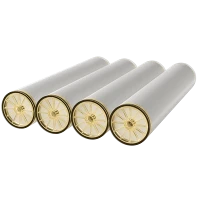
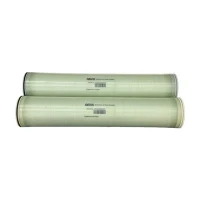
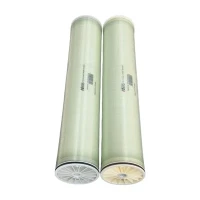
The typical process route of pure water equipment is designed according to water quality requirements and generally includes three stages: pretreatment, main treatment, and post-treatment. The pretreatment stage removes suspended solids, residual chlorine, colloids, and some hardness components through multi-media filtration, activated carbon adsorption, softening, or microfiltration, protecting subsequent precision units from contamination and scaling. The primary treatment stage is crucial for desalination and purification, commonly employing reverse osmosis (RO), electrodeionization (EDI), ion exchange, or a combination of ultrafiltration/nanofiltration. Reverse osmosis efficiently removes most dissolved solids and organic matter, while electrodeionization provides stable high-purity water production during continuous operation, offering advantages in both environmental friendliness and low operating costs. Post-treatment includes ultraviolet sterilization, precision filtration, and terminal polishing to ensure sterile, pyrogen-free effluent that meets resistivity and TOC requirements.
The technical characteristics of pure water equipment lie in its stable water quality, high degree of automation, and modular design. Modern equipment is generally equipped with online monitoring and intelligent control systems that provide real-time feedback on key parameters such as conductivity, flow rate, and pressure, and enable automatic flushing, regeneration, and alarms, reducing the risk of human intervention and misoperation. The modular structure allows for flexible expansion based on production capacity, adapting to various scenarios from small laboratories to large-scale industrial continuous water supply.
In applications, pure water equipment not only ensures the safety and consistency of processes such as semiconductor wafer cleaning, injection preparation, and electric boiler replenishment, but also promotes the widespread adoption of green and low-carbon production models. By optimizing process combinations and operation and maintenance, water consumption and chemical usage can be significantly reduced, achieving a win-win situation for both economic and environmental benefits. As a core piece of equipment for high-quality water use, pure water equipment plays an irreplaceable supporting role in modern industrial and scientific research systems.