
The stable operation and effluent quality of pure water equipment highly depend on scientific and standardized maintenance. Establishing a systematic maintenance plan is crucial for ensuring equipment performance and lifespan.
Establish a Tiered Maintenance System
Tiered maintenance plans should be developed based on daily, weekly, monthly, quarterly, and yearly schedules. These plans should clearly define the inspection, cleaning, replacement, and calibration items for each cycle, and assign responsible personnel and record-keeping requirements to ensure routine and traceable maintenance work.
Daily Maintenance of Core Components
• Pretreatment Unit: Multi-media filters, activated carbon filters, softeners, etc., require regular backwashing. When the pressure differential increases or effluent indicators fail to meet standards, the filter media and resin should be cleaned or replaced promptly to prevent membrane system clogging.
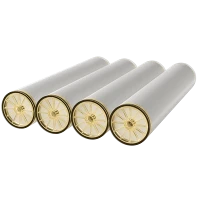
• Precision Filter Cartridge: As the first line of defense for the membrane system, the inlet and outlet pressure differentials need to be checked regularly, and cleaning or replacement should be performed according to the cycle or pressure differential changes to prevent contaminants from penetrating and damaging subsequent membrane elements.
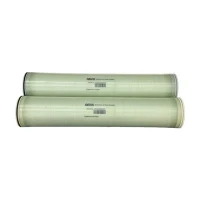
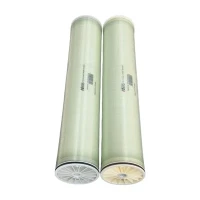
• Reverse Osmosis/Nanofiltration Membrane: While ensuring pretreatment effectiveness, the fouling status should be assessed by monitoring permeate flow, desalination rate, and pressure differential. Chemical cleaning should be performed promptly when permeate flow decreases by approximately 10% or differential pressure increases by approximately 15%. Membrane elements should be regularly evaluated and replaced based on water quality and operating time.
• Post-treatment and storage unit: Regularly clean and disinfect storage tanks and pipelines, and replace consumables such as UV lamps and filter cartridges. For units such as EDI and polishing mixed bed, regeneration or maintenance must be performed according to procedures to ensure that the final water quality meets standards.
Operation Monitoring and Data Management
• Real-time monitoring: Closely monitor key parameters such as inlet and outlet water pressure, flow rate, conductivity/TOC, and temperature, and promptly investigate any abnormal fluctuations.
• Data recording and analysis: Record detailed operating data, and use trend analysis to predict consumable lifespan and potential failures, providing a basis for preventative maintenance.
• Instrument calibration: Regularly calibrate online monitoring instruments such as conductivity meters and pH meters to ensure data accuracy and avoid water quality risks due to misjudgment.
Standardized Start-up and Shutdown and Chemical Cleaning
• Standardized start-up and shutdown: Follow the principle of "water first, then electricity; electricity first, then water". Before starting, check valves and pipelines. When shutting down, stop the main unit first, then cut off the water supply. After shutdown, flush the membrane system with low pressure to prevent contaminant deposition.
• Chemical Cleaning: The selection and concentration of cleaning agents (acids, alkalis, etc.) must strictly follow the membrane manufacturer's instructions to avoid damaging the membrane material. After cleaning, rinse thoroughly with sufficient water until neutral to prevent chemical residue.
Environmental and Safety Management
• Environmental Control: The equipment room should be kept well-ventilated, dry, and clean, avoiding high temperatures, high humidity, and corrosive gases. The ambient temperature should be controlled between 5 and 45°C to prevent equipment from freezing.
• Safety Management: Regularly check the electrical system, grounding, and leakage protection. Install protective measures for rotating parts such as high-pressure pumps and valves, and ensure adequate safety warning signs and operating procedures.
Long-Term Shutdown Maintenance
• Short-Term Shutdown (several days to several weeks): Drain the water from the system and flush thoroughly. Disinfect if necessary to prevent microbial growth.
• Long-term shutdown (months to longer): Thoroughly clean and drain the system, inject a special protective solution (such as sodium bisulfite solution) into the membrane module, seal it, and regularly check and replenish the protective solution.
Personnel Training and Professional Maintenance
• Personnel Training: Provide systematic training to operators and maintenance personnel to ensure they master basic principles, operating procedures, daily inspections, and troubleshooting common faults.
• Professional Maintenance: Establish long-term partnerships with professional service providers to conduct regular comprehensive inspections, performance evaluations, and preventative maintenance to ensure the system is always in optimal operating condition.