
In membrane separation technology practice, high-pressure membrane methods refer to a systematic technical approach that achieves efficient separation of solutes and solvents in solutions under high operating pressures using specific membrane modules and process flows. This method centers on high-pressure reverse osmosis and high-pressure nanofiltration, integrating membrane material selection, module design, process optimization, and operational control. It aims to address the separation requirements of high osmotic pressure, high concentration, and high purity, forming replicable and scalable engineering solutions.
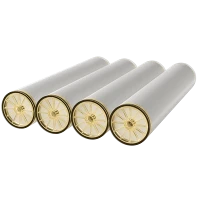
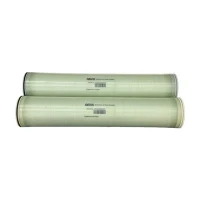
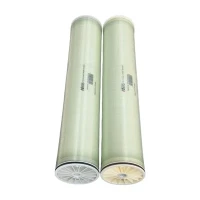
The foundation of high-pressure membrane methods is the scientific matching of membrane materials and structures. For different separation objectives, membrane types with extremely small pore sizes, high cross-linking degrees, and excellent mechanical strength must be selected, such as aromatic polyamide composite membranes or solvent-modified membranes, to ensure high rejection rates and structural integrity under pressures ranging from tens to hundreds of kilograms. The support layer employs a multi-layer composite or porous reinforcement design to resist high-pressure deformation and extend service life. The module structure often adopts a spiral wound form, with the membrane and flow-guiding mesh alternately stacked and wound around a central water collection pipe, forming a separation unit with a high specific surface area and uniform flow field.
In terms of process design, high-pressure membrane methods emphasize the combination of cross-flow filtration and energy recovery. The feed solution enters the membrane module under the drive of a high-pressure pump, forming cross-flow at the membrane surface. Permeate permeates through the membrane layer and flows into the central tube, while the concentrate is discharged along the mesh channel, thereby reducing concentration polarization and fouling risks. For high-salt or high-osmotic-pressure systems, an energy recovery device is often added to convert the high-pressure potential energy of the discharged concentrate into feed water driving force, significantly reducing system energy consumption. Chemical cleaning and physical backwashing procedures are incorporated into the operational cycle management to maintain stable membrane flux and retention performance.
Operational control methods focus on the synergistic optimization of parameters such as pressure, flow rate, temperature, and pH. While excessively high pressure can increase instantaneous flux, it exacerbates fouling and energy consumption; therefore, a balance must be struck between retention rate and operational economics. Temperature adjustment can improve feed viscosity and diffusion coefficient, enhancing separation efficiency; pH control balances the chemical stability of the membrane material with the effectiveness of contaminant removal. Online monitoring and data feedback mechanisms help identify membrane fouling trends in a timely manner, guiding cleaning and process adjustments.
Overall, the high-pressure membrane method, through the synergistic integration of materials, structure, process, and regulation, constructs a robust separation path that adapts to complex operating conditions. It demonstrates significant feasibility and superiority in fields such as seawater desalination, zero discharge of high-salinity wastewater, biopharmaceutical purification, and resource recovery, and provides methodological support for future low-energy and intelligent development.